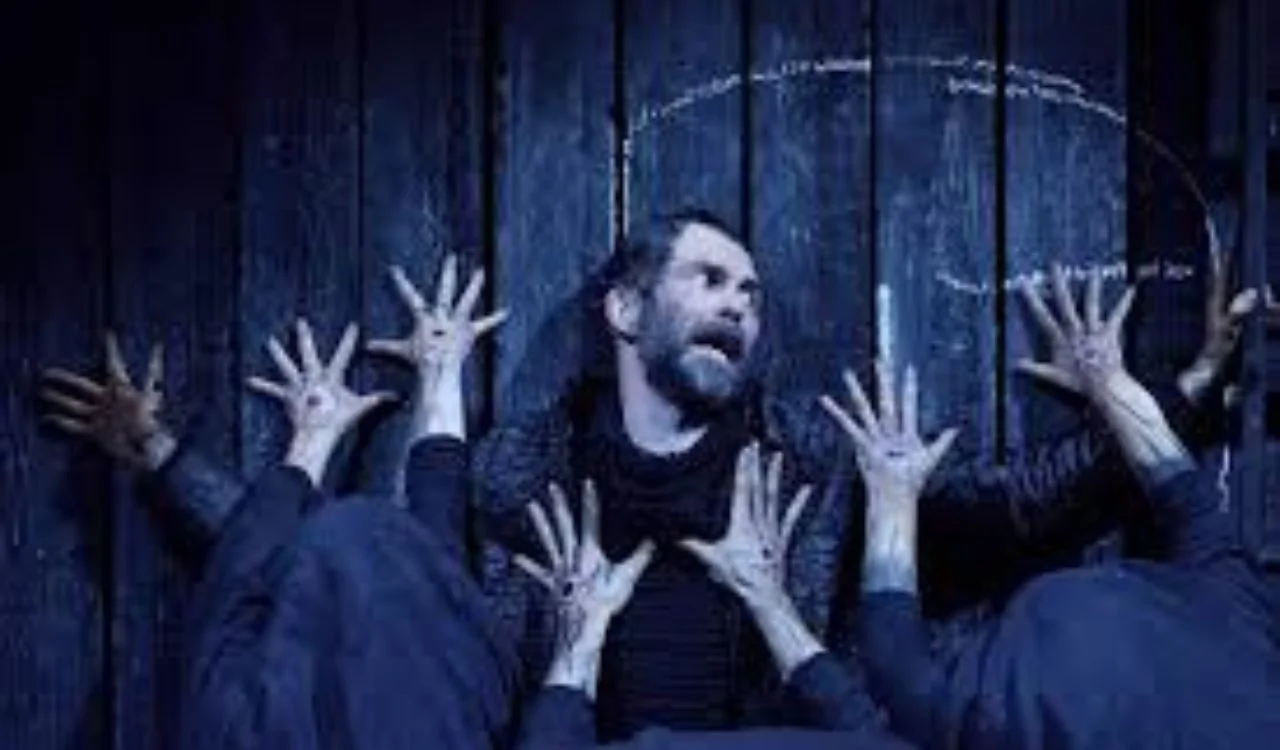
Like Hamlet by Shakespeare, Macbeth By Shakespeare is a timeless tragedy, weaves a tale of unchecked ambition, and haunting consequences of human desire. It is about the prophecies and deceitful acts, this play deals with the psyche of its protagonist, Macbeth.
Macbeth by Shakespeare is one of the iconic tragedies in literature. Ambition and the desire for power drive the character to commit bad acts that ultimately lead to his downfall. As we read this play, we will explore the themes of fate, ambition and guilt. Shakespeare’s portrayal of Macbeth, an honorable nobleman, shows the consequences of unchecked ambition.
The tragedy happens in Scotland, where Macbeth, influenced by his wife and the witches’ predictions, murders King Duncan to seize the throne. This pivotal moment sets off a chain of events filled with bloodshed, paranoia and remorse. Throughout the play, Shakespeare examines the torment that arises when one tries to defy fate and attain power through immoral means.
The play invites us to consider how ambition can consume individuals and distort their perception of reality through characters like Lady Macbeth, Banquo and Macduff. Macbeth’s tragic flaw. His hunger for power. Ultimately makes him a puppet of his desires, leading to his tragic end. Macbeth by Shakespeare serves as a reminder of the dangers of unchecked ambition.
The Plot of Macbeth: A Tragic Tale of Ambition
At the heart of Macbeth is a powerful plot: a noble warrior who is led astray by the promise of power. Macbeth, the Thane of Glamis, is a servant to King Duncan of Scotland. When he encounters the witches, they tell him of a future. A future where he becomes king. The temptation is too much to resist, especially when his ambitious wife, Lady Macbeth, pushes him further toward his fate.
The initial murder of King Duncan sets everything in motion. Macbeth, who once served with honor, is now a regicide. What follows is a whirlwind of violence, paranoia and guilt. Each action Macbeth takes to secure his throne only creates chaos.
Summary of Macbeth
Act 1
Macbeth By Shakespeare begins with a dramatic scene as the three witches appear amidst thunder and lightning. Their prophecies tell the future of Macbeth, stoking his ambition by naming him Thane of Glamis, Thane of Cawdor, and future King.
These prophecies triggers Macbeth’s inner thoughts, fueling his desire for power. News of his new title as Thane of Cawdor, aligning with the prophecy of witches, drives Macbeth to the kingship.
Temptation fueled by the witches’ words and determination Lady Macbeth pushes him toward target to fulfill their prophecy. Conflicted by morality, Macbeth wrestles with the idea of the murder King Duncan.
However, his unchecked ambition and influence of Lady Macbeth drive him to commit the heinous act, setting off a tragic chain of events haunting him and his wife.
Act 2
Guilt and paranoia grip Macbeth and Lady Macbeth after Duncan’s murder. Macbeth finds no solace in his newfound kingship, plagued by torment over his actions. Fear of exposure leads him further into tyranny, viewing Banquo as a threat due to his suspicions.
As king, Macbeth spirals deeper into betrayal and bloodshed, ordering the assassination of Banquo and his son out of fear that Banquo’s lineage would claim the throne as prophesied by the witches. Despite these actions, Macbeth remains haunted by guilt and the specters of his victims.
Lady Macbeth, initially resolute in her ambition, begins to unravel under the weight of conscience. Tormented by the atrocities committed for power, the repercussions of their actions weigh heavily on both Macbeth and his wife, foreshadowing the impending tragedy.
Act 3
In Act 3 of Macbeth By Shakespeare, Macbeth faces increasing consequences due to his uncontrollable ambition. His paranoia deepens as he fears threats to his throne.
Especially the potential danger from Banquo’s descendants, as predicted by the witches. Desperate to secure his position, Macbeth turns to the witches again, seeking solace and glimpses into his future.
During a banquet, Macbeth is visited by the ghost of Banquo, which haunts him as a manifestation of his guilt and a grim reminder of his wrongdoing. His mental state becomes increasingly apparent as he descends further into madness.
Macbeth’s isolation and reliance on the witches’ prophecies drive him to commit more atrocities, further sealing his downfall.In addition, the intertwining themes of guilt and paranoia portray the psychological breakdown of Macbeth and Lady Macbeth.
Their relentless pursuit of power has led to a tragic cycle of violence and inner turmoil, foreshadowing the impending doom that awaits them.
Act 4
Act 4 unfolds amidst a progressively ominous atmosphere. Macbeth, emboldened by the witches’ prophecies, becomes excessively confident and reckless in maintaining his power.
Enigmatic messages and prophecies feed into his delusion of invincibility. Fueled by fear and insecurity, Macbeth orders the brutal murder of Macduff’s family in a desperate attempt to eliminate potential threats to his reign.
This cruel act solidifies Macbeth’s descent into tyranny and triggers Macduff’s thirst for vengeance, setting the stage for their inevitable confrontation.
Simultaneously, Lady Macbeth’s mental state deteriorates rapidly. Plagued by guilt and the weight of their crimes, she is consumed by her conscience. Her descent into madness poignantly illustrates the toll of unchecked ambition on the human psyche.
Act 5
The final act of Macbeth By Shakespeare, unfolds the tragic conclusion of the play. Lady Macbeth, overwhelmed by guilt and madness, succumbs to death, leaving Macbeth in a state of isolation and desolation. Her demise further destabilizes Macbeth’s fragile mental state.
News of Lady Macbeth’s death marks a pivotal moment for Macbeth. He becomes increasingly detached from reality, sinking deeper into despair. Macbeth’s grip on power weakens as rebellion brews against his tyrannical rule.
Furthermore, Macduff, driven by vengeance for his slain family and determined to restore Scotland’s rightful ruler, leads an army against Macbeth. In the climactic battle, Macbeth faces Macduff and finally comprehends the consequences of his unchecked ambition.
Moreover, Macbeth meets his tragic end at the hands of Macduff, bringing an end to his tyrannical reign and reinstating order in Scotland.
Finally, the play concludes with a sense of catharsis, portraying the profound repercussions of uncontrolled ambition. Also the corrupting influence of power through the downfall of Macbeth and Lady Macbeth.
Furthermore, Shakespeare’s exploration of human nature and the dire consequences of unbridled ambition leave an indelible impact on audiences.
Key Literary Terms in Macbeth by Shakespeare
| Literary Term | Definition |
|---|---|
| Tragedy | A dramatic work where the main character is brought to ruin or suffers extreme sorrow, usually due to a character flaw. |
| Ambiguity | A literary device where words or phrases have more than one meaning, often used in Macbeth to create confusion or uncertainty. |
| Hubris | Excessive pride or self-confidence, which leads to a downfall, often seen in Macbeth’s unchecked ambition. |
| Fate vs. Free Will | A recurring theme in Macbeth, examining whether the characters’ outcomes are predestined or shaped by their choices. |
| Irony | A contrast between expectations and reality, often used to highlight the tragic consequences of Macbeth’s actions. |
| Foreshadowing | A literary device where hints or clues are given about what will happen later in the story, such as the witches’ prophecy. |
| Symbolism | Using symbols to represent ideas or themes, such as blood symbolizing guilt, or the weather reflecting the emotional turmoil of the characters. |
| Soliloquy | A speech given by a character alone on stage, expressing inner thoughts and feelings; Macbeth’s soliloquies reveal his moral struggles. |
| Motif | A recurring element or theme in the play, like the recurring images of blood, darkness, and death. |
| Macbeth’s Tragic Flaw | A character flaw leading to the protagonist’s downfall, typically ambition in Macbeth’s case. |
The Key Themes in Macbeth: Ambition, Guilt and Power
Macbeth is filled with themes, but the central one is ambition. It drives characters to commit terrible acts and ultimately destroys them. From the moment Macbeth hears the witches’ prophecy, his ambition takes root. This burning desire for power drives him to murder Duncan. It also pushes him toward madness and paranoia.
Guilt is another theme in the play. After Duncan’s murder, both Macbeth and Lady Macbeth are consumed by guilt. Macbeth is haunted by the blood on his hands, while Lady Macbeth, who once urged him on, spirals into madness.
Macbeth’s Character: From Nobleman to Tyrant
Macbeth’s transformation from a warrior to a paranoid king is one of the most compelling character arcs. At the start of the play Macbeth is a hero, honored by King Duncan for his bravery in battle. Once the witches predict his rise to power, Macbeth’s inner turmoil begins.
The real turning point comes when Macbeth kills King Duncan. Although initially hesitant, the pressure from Lady Macbeth pushes him over the edge. After the murder, Macbeth becomes a person.
Lady Macbeth: The Power Behind the Throne
Lady Macbeth plays a role in Macbeth’s rise to power. Unlike Macbeth, who hesitates, Lady Macbeth is all too eager to push her husband toward the throne. From the moment she learns of the witches’ prophecy, she immediately starts plotting Duncan’s murder.
Banquo: The Loyal Friend and His Ghost
Banquo serves as a foil to Macbeth. While Macbeth is driven by ambition, Banquo is content with his life. Does not allow ambition to control him. Banquo’s ghost haunts Macbeth, driving him to madness.
Macbeth and the Witches: Agents of Fate
The three witches predict Macbeth’s rise to power, setting in motion the events that lead to his downfall. The witches represent the theme of fate versus will. While Macbeth’s destiny seems to be foretold, he still has the ability to make choices.
Macbeth’s Downfall: The Price of Power
The tragic element of Macbeth’s character is his downfall. After attaining the throne, he becomes a tyrant, unable to trust anyone. His reign is filled with violence. Macbeth’s downfall is a result of his unchecked ambition.
The Legacy of Macbeth: Lessons for Today
The play serves as a warning about the dangers of ambition. The play also highlights the toll that guilt can take on an individual. In our lives, the play teaches us that integrity and morality are essential for a peaceful existence.
Frequently Asked Questions
Who is the protagonist of Macbeth?
The protagonist of Macbeth is Macbeth himself, a Scottish nobleman whose ambition leads him to commit murder and ultimately causes his downfall.
What is the main theme of Macbeth?
The central theme of Macbeth is ambition—how unchecked ambition can lead to the destruction of both the individual and those around them.
Why does Macbeth kill King Duncan?
Macbeth kills King Duncan after hearing a prophecy from three witches that he will become king. Driven by ambition and spurred on by Lady Macbeth, he murders Duncan to claim the throne.
How does Macbeth’s character change throughout the play?
Macbeth transforms from a noble and honorable man to a paranoid and tyrannical ruler. His ambition leads him to commit increasingly violent acts, and his guilt eventually drives him mad.
What is the role of the witches in Macbeth?
The witches predict Macbeth’s rise to power and set the events of the play in motion. They serve as agents of fate, but it’s Macbeth’s own choices that lead to his destruction.