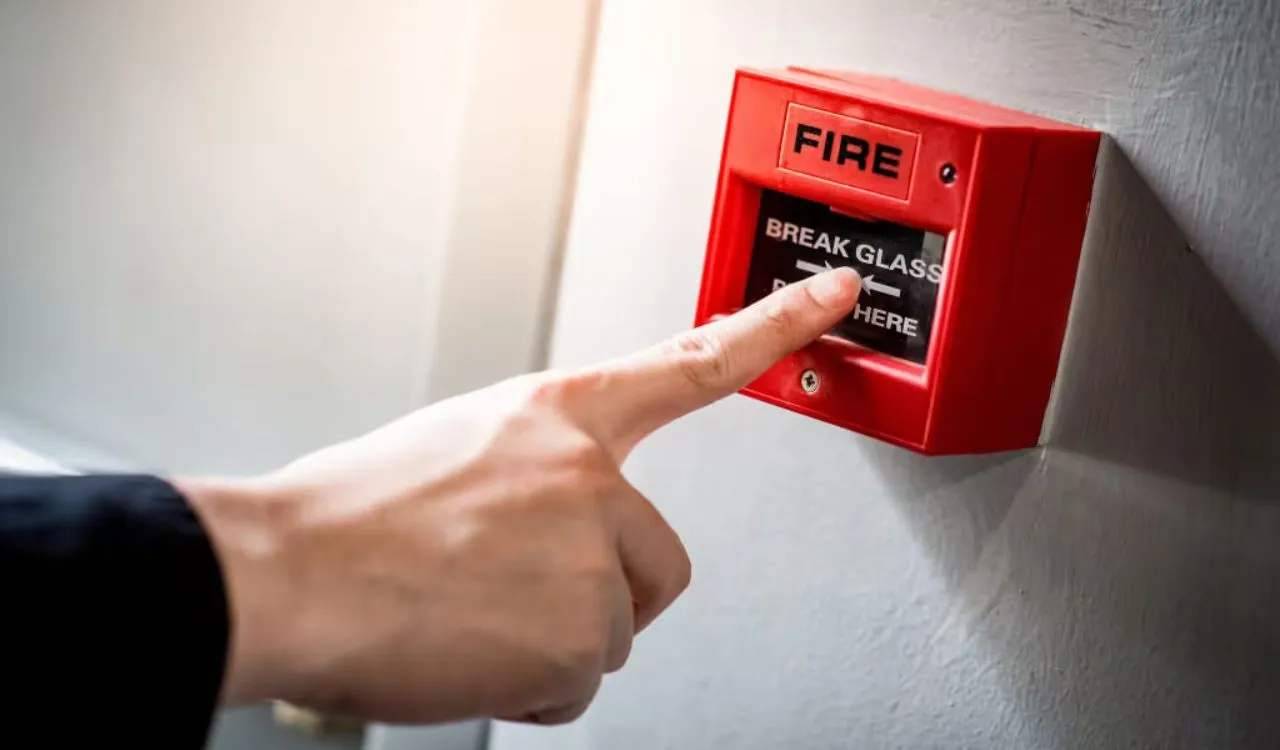
When it comes to fire safety in buildings, one of the most important devices, often overlooked, is the manual call point (MCP). A manual call point is a simple yet critical safety feature that allows anyone to immediately trigger the building’s fire alarm system in case of an emergency. It’s usually a red box with a glass panel or button, strategically placed along escape routes to ensure quick access in an urgent situation.
I remember walking through an office building during a fire drill and noticing how easy it was for the staff to activate the alarm. It made me realize just how essential these devices are in ensuring the safety of everyone inside the building. Having a manual call point means anyone can take swift action to alert others, even if the automated systems haven’t detected the fire yet.
But how does it actually work? Well, it’s pretty straightforward – break the glass or press the button, and the alarm goes off. While it may seem simple, the function of a manual call point is absolutely crucial in fire emergencies. In this article, I’ll walk you through what a manual call point is, how it works, and why it’s an indispensable part of any fire safety plan.
What is a Manual Call Point (MCP)?
If you’ve ever walked through a building and noticed a red box on the wall with a glass pane, you’ve likely come across a Manual Call Point (MCP). A manual call point is a fire safety device that allows anyone to trigger a building’s fire alarm system in an emergency. It’s typically found along escape routes, placed at key locations to ensure quick access during an emergency.
The primary function of a manual call point is simple: to alert everyone in the building about a fire or another emergency. In situations where automatic alarm systems fail to activate, having a manual means of triggering the fire alarm is essential. These devices are often placed in highly visible locations for quick activation and are designed for anyone, regardless of technical expertise.
Think of it like an emergency button, except it’s a simple lever or a piece of glass that you break in an instant to warn everyone in the building. It’s an easy, reliable way to initiate the alarm system, especially in critical moments when every second counts.
How Does a Manual Call Point Work?
At first glance, a manual call point might seem like a straightforward device, but its function is crucial in ensuring the safety of everyone in the building. Essentially, manual call points are connected to the building’s fire alarm system. When someone activates the device, it sends a signal that triggers the alarm, warning all building occupants of a potential danger.
The mechanism is usually simple: either a lever or a glass panel. In older systems, users would break the glass to activate the alarm, but modern versions often include a button or switch that people press or pull. Either way, the activation process is immediate. Once triggered, the alarm system responds quickly, notifying everyone in the building to evacuate or take other necessary safety measures. In safety training platforms like Schoology Alfa, such real-life scenarios are often used to help users better understand how these systems work in emergencies.
Let’s imagine a situation: You’re in a large office building, and there’s a sudden smoke alarm. You quickly head to the nearest manual call point and activate it. The entire building is now alerted to the potential danger, and the evacuation begins immediately. Without these devices, many people might not have known about the fire until it was too late.
Comparison of Different Types of Manual Call Points
This table highlights the various manual call points (MCPs) by their activation methods, installation environments, and safety features. It helps to understand which type of MCP is best suited for different buildings or situations.
| Type of Manual Call Point | Activation Method | Ideal Installation Environment | Safety Features |
| Break-Glass MCP | Break the glass to activate | Common in older buildings, industrial settings | Simple, cost-effective, quick activation |
| Push-Button MCP | Press a button to trigger the alarm | Modern offices, public buildings, and schools | Safer than break-glass, no glass shards |
| Weatherproof MCP | Push-button activation | Outdoor or industrial environments, warehouses | Designed to withstand extreme weather conditions |
| Key-Operated MCP | Turn the key to activate | Restricted areas, high-security buildings | Prevents accidental activation |
| Dual Action MCP | Break glass & press button | High-traffic areas, airports, and large shopping malls | Ensures intentional activation only |
Why are Manual Call Points Important for Fire Safety?
Fire safety is an absolute priority in any building, whether it’s a school, office, or residential complex. Manual call points are a key part of this safety infrastructure, offering a simple yet highly effective way to prevent potential tragedies. When you think of fire alarms, you might imagine sensors and detectors that detect heat or smoke, but what if those systems fail to detect a fire in time? This is where the manual call point comes in.
By allowing anyone to trigger the fire alarm system, manual call points ensure that there’s no delay in alerting the building’s occupants. Even if automated systems are slow to respond or malfunction, quick action by a person can make all the difference in saving lives. The importance of manual call points can’t be overstated, as they bridge the gap when technology doesn’t respond quickly enough.
This concept became incredibly clear when a fire broke out in a public building where the smoke detectors didn’t activate until the fire had already spread. A person near the exit used the manual call point to alert others and save lives. It’s these real-world scenarios that emphasize just how crucial these devices are in fire safety planning.
Types of Manual Call Points
Not all manual call points are the same. There are various types designed to suit different environments and needs. While they all serve the same basic function, triggering a fire alarm in case of an emergency, the way they’re activated and their appearance can vary.
One of the most common types is the break-glass MCP, where users simply break the glass to activate the alarm. This type has been in use for decades and is still a standard in many older buildings. However, many modern manual call points now use a push-button or lever mechanism, which is more user-friendly and safer than breaking glass. These newer systems are less likely to cause injuries or make a mess during activation.
In large commercial buildings or warehouses, weatherproof MCPs might be used to withstand harsh environmental conditions. These devices are sealed to protect against dirt, dust, and moisture, ensuring reliability in outdoor or industrial settings.
Installation of Manual Call Points
The installation of manual call points is an essential aspect of fire safety planning. Proper installation can significantly enhance their effectiveness during an emergency. These devices must be placed in strategic locations throughout the building, typically along escape routes and near exits. The general rule is that manual call points should be accessible to everyone, including people with disabilities.
For regularly occupied buildings, such as offices or schools, manual call points should be installed at intervals, ensuring that no matter where someone is in the building, they can easily access one in an emergency. Installation must adhere to fire safety regulations, which may vary by country or region.
It’s also important to consider visibility. A manual call point that is hidden behind a door or obstructed by furniture won’t be effective when needed the most. They should be placed in open spaces where they can be seen quickly by anyone in the vicinity.
Where to Place Manual Call Points
The placement of manual call points is a key factor in ensuring fire safety. Ideally, they should be placed along escape routes, in hallways, and near stairwells. According to fire safety guidelines, the devices must be easily accessible to all individuals in the building. This includes ensuring that they are not obstructed by furniture, doors, or other barriers.
Moreover, manual call points should be installed at a standard height (typically about 1.4 meters above the ground) so that they can be reached by individuals of varying heights, including those in wheelchairs or with limited mobility.
In large buildings, manual call points should be placed at intervals of no more than 30 meters. This ensures that no matter where someone is located, they’ll have access to a call point within a short distance.
Benefits of Using Manual Call Points
There are numerous benefits to using manual call points in buildings. First and foremost, they provide a reliable backup when automated fire alarm systems fail. These systems may sometimes be delayed in activation or malfunction, but manual call points ensure that the alarm can still be triggered by anyone nearby.
Another key benefit is quick response time. In an emergency, every second counts, and a person’s ability to activate the fire alarm immediately can save lives. Manual call points also promote a sense of safety by allowing everyone in the building to play an active role in fire prevention.
Additionally, manual call points are cost-effective solutions for fire safety. They don’t require complex wiring or technology and can be easily integrated into any fire safety plan, making them an affordable option for both large commercial buildings and residential complexes.
Conclusion
In the world of fire safety, manual call points (MCPs) are indispensable devices that provide a simple yet effective way to alert building occupants during an emergency. Allowing anyone to trigger the fire alarm system provides a crucial backup when automated systems might not respond quickly enough. Proper installation, maintenance, and placement of manual call points can significantly enhance the safety of any building. As such, they play a vital role in emergency preparedness and should be considered an essential component of any fire safety strategy.
Frequently Asked Questions
What happens if I accidentally trigger a manual call point?
In most cases, if a manual call point is accidentally activated, the building’s fire alarm will go off, and emergency services will be alerted. False alarms can be costly, but there are typically procedures in place to handle them, including notifying local authorities.
Are manual call points required by law?
Yes, depending on the country and local regulations, manual call points are required in certain buildings, especially public or commercial spaces. It’s important to consult fire safety codes to ensure compliance.
How often should manual call points be tested?
Manual call points should be tested regularly to ensure they are functioning correctly. It’s recommended to conduct monthly tests and annual inspections as part of your building’s fire safety maintenance plan.
Can manual call points be used in all buildings?
Yes, manual call points are suitable for all types of buildings, from residential homes to large industrial complexes. The installation, however, should comply with local fire safety regulations.
Do manual call points require special maintenance?
While manual call points are generally low-maintenance devices, they should be checked regularly for any physical damage or blockages. The glass should be intact, and the activation button should be easily operable.