

The Pharisees, a prominent religious group during Jesus’ time, were known for their strict adherence to religious laws and rituals, as well as their influential leadership roles within Jewish society. Here we’ll discuss Characteristics Of Pharisees;

What were the Pharisees?
The Pharisees were a good-sized spiritual institution all through the time of Jesus Christ.
They gained recognition for their strict adherence to religious laws and rituals, particularly those found within the Torah, which is the Jewish scripture.
Pharisees believed in following both the written Torah and the oral traditions and interpretations that had evolved round it.
Their emphasis on non-secular observance and interpretation made them influential figures within Jewish society, mainly among the city middle class. However, they were also criticized for their legalistic methods and occasional hypocrisy.
11 Characteristics Of Pharisees
The Pharisees, a prominent religious group during Jesus’ time. Here we’ll discuss Characteristics Of Pharisees;
Devout Observance
The Pharisees deeply committed themselves to following religious laws and rituals, placing notable importance on adherence to the Torah, the sacred scripture of Judaism.
Their determination to observe spirituality extended to all elements of life, from day-to-day prayers to dietary regulations, showcasing their unwavering dedication to religious exercise.

Emphasis on Tradition
They valued both the written Torah and oral traditions, believing in the significance of passing down interpretations and teachings from era to era.
This emphasis on culture fostered an experience of continuity and networking among Pharisees, reinforcing their collective identity and religious background.
Leadership Roles
Pharisees held outstanding positions as spiritual leaders and students inside Jewish society, exercising authority in matters of interpretation and religious practice.
Their leadership extended past religious circles, with Pharisees often assuming roles of influence in civic affairs and community governance, shaping the social material of their time.
Legalistic Interpretation
Known for their meticulous interpretation of spiritual laws, Pharisees focused on specific adherence to rules and policies, often adhering to a strict lifestyle.
Their legalistic method sought to uphold the sanctity of non-secular precepts, emphasizing the letter of the law while also grappling with its spirit and reason.
Separatism
Pharisees separated themselves from the ones they deemed impure or sinful, retaining a sense of moral and spiritual superiority within Jewish communities.
This separatist stance manifested in their interactions with non-Pharisees, in addition to their efforts to keep their wonderful identity amidst broader cultural influences.
Social Influence
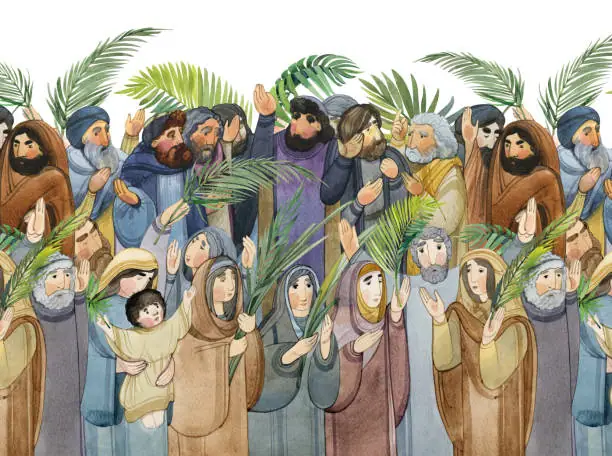
The urban middle class was heavily influenced by Pharisees, who had separatist tendencies but also played important positions in the political, social, and religious arenas.
Their engagement in several facets of communal life allowed them to have an impact that went beyond religious circles, influencing public opinion and policy.
Hypocrisy
Although Pharisees promoted public acts of devotion and religious observance, they were occasionally accused of hypocrisy because their deeds didn’t always match their declared views.
The conflict between authenticity and appearance highlighted the intricacies of human nature as well as the difficulties of upholding religious principles in daily life.
Opposition to Jesus
Biblical narratives frequently portray Pharisees as Jesus Christ’s enemies, especially when it comes to his teachings that question their strict interpretation of religion and their position of authority.
Their resistance to Jesus was rooted in differing theologies as well as worries about how he might affect Jewish customs and society.
Religious Rigidity
Pharisees favored preserving customs and traditions over embracing innovation and change in their religious practices.
Their dedication to maintaining the purity of Jewish law and practices in the face of shifting social and political environments was reflected in their conservative position.
Focus on Ethics
Pharisees placed a strong emphasis on morality and ethical behavior as essential components of religious life, notwithstanding their legalistic inclinations.
Social standards and ideals were influenced by their teachings on moral concepts like justice, compassion, and righteousness in addition to individual action.
Influence on Judaism
Jewish thinking and practice have been affected by the Pharisees’ interpretations and teachings, which have left a lasting legacy in modern Judaism.
Pharisaic values are still relevant in Jewish communities today, providing inspiration and direction for future generations due to their emphasis on learning and scholarship as well as their dedication to moral behavior.
What about the Sadducees?
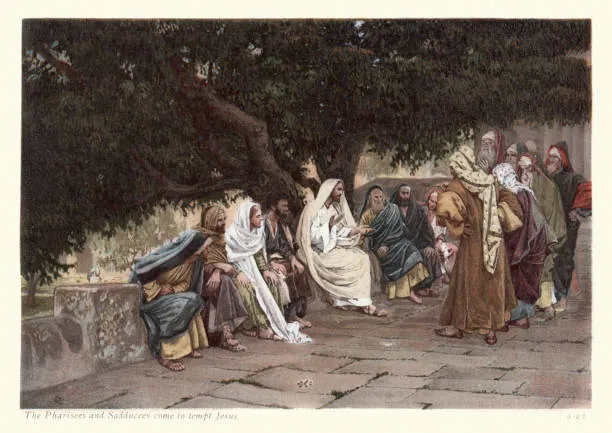
In comparison, the Sadducees were another prominent group within historic Judaism. They have been commonly composed of the priestly magnificence and held positions of energy and impact, especially in subjects associated with the Temple and its rituals.
Unlike the Pharisees, the Sadducees held the authority of the written Torah and did not adhere to oral traditions or interpretations. They were extra conservative of their spiritual beliefs and did not consider ideas inclusive of the afterlife, resurrection, or angels.
Differences between Pharisees and Sadducees
| Aspect | Pharisees | Sadducees |
|---|---|---|
| Beliefs | Accepted both written Torah and oral traditions | Accepted only the written Torah |
| Interpretation | More liberal in interpreting religious law | More conservative and literal in interpretation |
| Social Standing | Associated with the urban middle class | Often from the aristocracy and priestly class |
| Views on the Afterlife | Believed in concepts like resurrection and afterlife | Did not believe in concepts like resurrection |
| Authority | Held prominent roles as religious leaders and scholars | Had influence primarily within the Temple and priestly class |
Beliefs Of Pharisees and Sadducees
| Aspect | Pharisees | Sadducees |
|---|---|---|
| Scripture | Accepted both written Torah and oral traditions | Accepted only the written Torah |
| Oral Tradition | Valued oral traditions and interpretations | Disregarded oral traditions and interpretations |
| Afterlife | Believed in concepts like resurrection and afterlife | Did not believe in concepts like resurrection |
| Angels | Acknowledged the existence of angels | Denied the existence of angels |
| Resurrection | Believed in resurrection of the dead | Denied the concept of resurrection |
| Law Interpretation | Interpreted religious laws with flexibility | Interpreted religious laws strictly and literally |
| Social Class | Associated with the urban middle class | Often from the aristocracy and priestly class |
| Influence | Held influence in religious, political, and social spheres | Had influence primarily within the Temple and priestly class |
Conclusion
The Pharisees, characterized by their strict adherence to religious laws and influential leadership roles, left a lasting legacy in Jewish thought and practice.
In contrast, the Sadducees, primarily composed of the priestly class, held conservative beliefs and rejected oral traditions, differing significantly from the Pharisaic tradition.
FAQs
Main characteristics of the Pharisees: Strict adherence to religious laws, emphasis on oral traditions, influential religious leaders.
Attitudes of the Pharisees: Legalistic interpretation of religious laws, separatist tendencies, emphasis on outward piety.
Bible’s description of the Pharisees: Often depicted as adversaries of Jesus, criticized for hypocrisy and self-righteousness.
Pharisees were prominent religious figures, influential within Jewish society, and known for their strict observance of religious laws.
Related Posts:
Oswald In King Lear | Character Analysis & Quotes
Lady Macbeth Monologue | In Macbeth By Shakespeare
Eddie Cheng In Crazy Rich Asians | Character Analysis
Analysis Of First Player’s Speech In Hamlet | By Shakespeare


