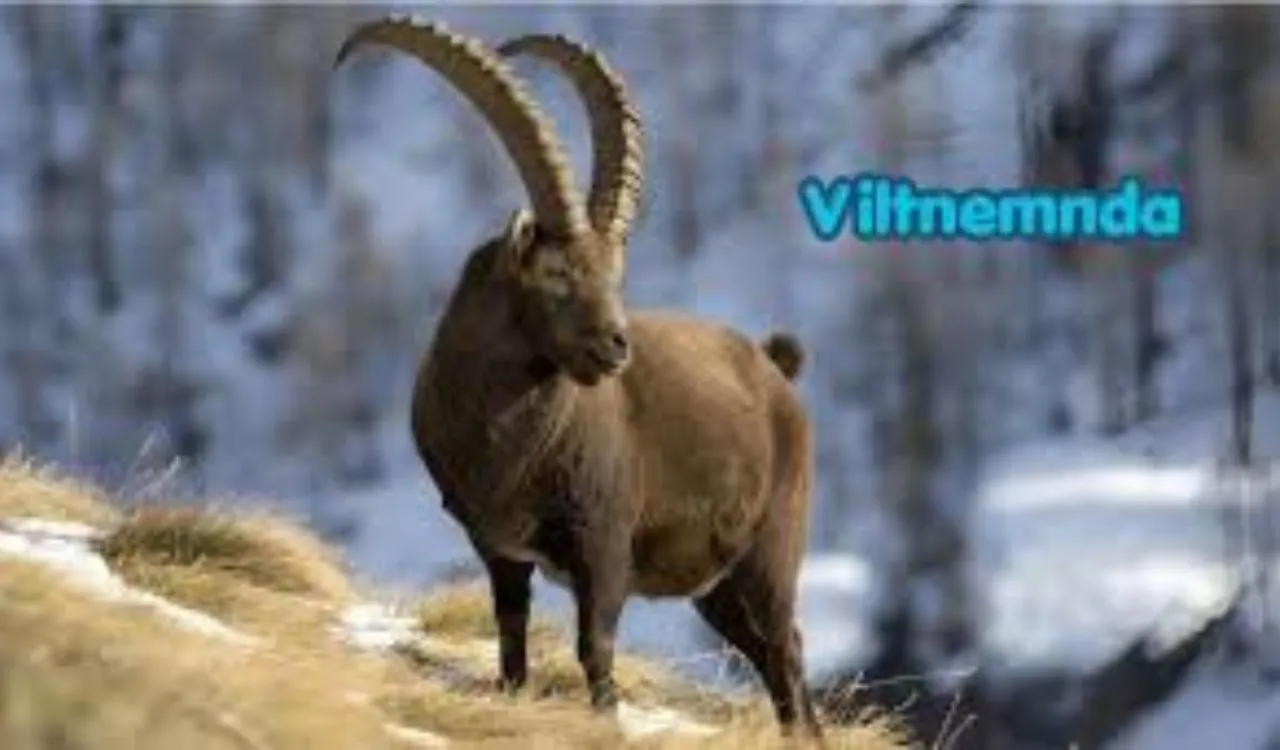
Have you ever wondered who’s responsible for managing wildlife in Norway and ensuring that hunting activities are organized properly? The answer lies with the viltnemnda,a vital body that plays a central role in overseeing local wildlife management. As a part of municipal governance, Viltnemnda’s work ensures that Norway’s natural heritage is preserved while balancing the interests of local hunters and conservation efforts.
From creating large, rational hunting areas to guiding sustainable wildlife practices, the viltnemnda’s responsibilities are wide-ranging. It’s not just about making rules; it’s about striking a delicate balance between nature and human activity. This makes the wilderness crucial for maintaining Norway’s biodiversity and managing hunting resources responsibly.
But what exactly does Viltnemnda do, and why is it so important? In this article, we’ll dive into its key roles and responsibilities, exploring how it helps regulate hunting, protect wildlife, and contribute to the broader goals of environmental sustainability in Norway. Whether you’re a hunter, wildlife enthusiast, or simply curious, you’ll gain a deeper understanding of how Viltnemnda shapes the management of Norway’s wildlife.
What Is Viltnemnda?
If you’ve ever visited the vast wilderness of Norway, you know that it’s a paradise for wildlife lovers. The country boasts diverse landscapes, from rugged mountains to lush forests, which are home to many species. But how does Norway ensure its wildlife thrives amidst human activity? The answer lies in Vilt-nemnda, or the wildlife board.
Vilt-nemnda is the cornerstone of Norway’s approach to balancing nature with human interaction. This municipal body is responsible for managing local wildlife, promoting sustainable game management, and ensuring hunting activities are conducted responsibly. Whether you’re a local hunter or a passionate wildlife enthusiast, Vilt-nemnda’s role is critical in shaping the future of Norway’s ecosystems.
But how did Vilt-nemnda come into being? And why is it so important? Let’s explore the ins and outs of this unique governing body, including how it handles different sagerne related to wildlife management, conservation decisions, and hunting regulations across municipalities.
Key Wildlife Species Managed by Viltnemnda
| Species | Conservation Status | Management Strategy |
| Elk (Alces alces) | Least Concern | Regulated hunting seasons, population monitoring, habitat protection |
| Red Deer (Cervus elaphus) | Least Concern | Managed through controlled hunting, monitoring of migration patterns |
| Moose (Alces alces) | Least Concern | Seasonal hunting restrictions, monitoring of herd size and health |
| Wild Boar (Sus scrofa) | Invasive Species | Population control through culling, monitoring of ecosystem impacts |
| European Brown Bear (Ursus arctos) | Vulnerable | Strict protection laws, monitoring population numbers, habitat conservation efforts |
| Lynx (Lynx lynx) | Near Threatened | Limited hunting, focus on habitat conservation and monitoring |
| Golden Eagle (Aquila chrysaetos) | Least Concern | Protected nesting sites, population monitoring, prevention of disturbance |
| Wolf (Canis lupus) | Endangered | Strict protection laws, monitoring packs, conflict management |
Key Roles and Responsibilities of Viltnemnda
1. Organizing and Managing Hunting Areas
One of the primary responsibilities of Viltnemnda is organizing hunting areas. But it’s not just about creating spaces where hunting can take place,it’s about strategic planning to maximize land use. The board works to consolidate smaller properties into larger, more rational hunting areas. This approach helps manage wildlife more effectively and ensures that hunting is sustainable.
For example, imagine you’re a local hunter with access to a small parcel of land. Vilt-nemnda can help by merging that area with others to form a larger hunting ground. This not only increases your chances of a successful hunt but also minimizes the impact on local wildlife. The result? More effective wildlife management that benefits both humans and animals.
2. Promoting Sustainable Game Management
Game management in Norway is more than just setting limits on hunting seasons or bag numbers,it’s about ensuring that hunting is done responsibly, without depleting wildlife populations. Viltnemnda’s role in promoting sustainable game management is crucial in maintaining this balance.
The board works closely with local communities, researchers, and hunters to implement measures that protect game species while also maintaining healthy populations. These measures include limiting the number of animals that can be hunted each season and ensuring that hunting practices align with ethical standards. As a result, Vilt-nemnda helps preserve Norway’s natural biodiversity while allowing hunters to enjoy their traditions.
3. Protecting Wildlife and Biodiversity
While Viltnemnda plays a major role in managing hunting, it’s equally dedicated to protecting wildlife. The board is involved in several conservation efforts aimed at preserving endangered species and maintaining ecological balance.
For example, Vilt-nemnda actively supports habitat restoration projects and works to combat poaching. In some areas, the board even monitors endangered species to ensure their populations remain stable. Whether it’s ensuring the survival of Norway’s iconic elk or protecting the country’s diverse bird species, Vilt-nemnda’s conservation efforts are integral to the nation’s biodiversity.
Viltnemnda and the Hunting Community
1. Facilitating Hunting Licenses and Regulations
Hunting in Norway isn’t just a pastime; it’s a regulated activity that requires proper licensing. Viltnemnda is at the heart of the licensing process, helping hunters obtain permits and ensuring that they comply with local laws and regulations.
Applying for a hunting license can seem like a daunting task, but Vilt-nemnda simplifies the process. Hunters must meet certain criteria, such as passing a hunting exam and ensuring that they hunt responsibly. Vilt-nemnda’s involvement ensures that only those who are qualified can participate, making hunting safer and more sustainable for everyone involved.
2. Collaboration with Local Hunters and Organizations
Viltnemnda doesn’t operate in isolation. It works closely with local hunting associations, wildlife organizations, and other stakeholders to manage wildlife effectively. This collaboration is essential for ensuring that policies reflect the needs of both wildlife and local communities.
By partnering with these groups, Vilt-nemnda is able to implement innovative solutions to complex challenges. For example, when there’s a sudden increase in certain game populations, Vilt-nemnda might collaborate with local hunters to develop humane culling strategies. This cooperative approach ensures that hunting remains sustainable and wildlife populations are balanced.
Viltnemnda’s Contribution to Wildlife Research and Education
1. Supporting Wildlife Research and Monitoring Projects
Viltnemnda’s commitment to wildlife doesn’t stop at management and regulation. The board also plays a vital role in supporting research and monitoring efforts aimed at understanding wildlife populations and their habitats. This research is critical for developing informed policies that benefit both wildlife and humans.
For example, Viltnemnda has partnered with universities and research institutes to fund projects that monitor the health of Norway’s wildlife populations. These studies often focus on tracking migration patterns, studying disease outbreaks, and analyzing the impacts of climate change on animal habitats. Such research not only helps protect Norway’s wildlife but also contributes to global conservation efforts.
2. Public Awareness and Education on Wildlife Conservation
Beyond its regulatory and research roles, Viltnemnda is also involved in educating the public. The board recognizes that a well-informed population is key to preserving wildlife and fostering sustainable hunting practices.
Vilt-nemnda runs various outreach programs that educate the public on the importance of responsible wildlife management. These programs include school visits, public workshops, and online resources. By educating future generations, Vilt-nemnda helps ensure that Norway’s wildlife will be protected for years to come.
The Future of Viltnemnda and Wildlife Management in Norway
1. Challenges Faced by Viltnemnda in Modern Wildlife Management
While Viltnemnda has been successful in many aspects, it faces a number of challenges as the landscape of wildlife management continues to evolve. One of the biggest hurdles is dealing with the growing human-wildlife conflict. As urban areas expand, wildlife habitats shrink, leading to more frequent encounters between humans and animals.
Vilt-nemnda must continuously adapt to these changes, finding new ways to balance wildlife preservation with the needs of local communities. It’s no small task, but Vilt-nemnda’s proactive approach is helping to address these issues head-on.
2. Opportunities for Improvement and Innovation in Wildlife Conservation
Despite the challenges, the future of Viltnemnda is bright. Advances in technology, such as wildlife tracking systems and AI-powered conservation tools, offer exciting opportunities for improving wildlife management. By embracing these innovations, Vilt-nemnda can enhance its ability to monitor wildlife populations, track migration patterns, and implement more effective conservation strategies.
Moreover, Vilt-nemnda has the potential to expand its role in international conservation efforts, collaborating with other countries and organizations to protect wildlife on a global scale. With a forward-thinking approach, Vilt-nemnda can continue to be a leader in wildlife management.
How Can You Get Involved with Viltnemnda?
1. Joining Hunting Associations and Collaborating with Viltnemnda
If you’re passionate about wildlife conservation or hunting, there are several ways to get involved with Vilt-nemnda. One of the easiest ways is to join a local hunting association that works closely with the board. These organizations often provide hunters with valuable resources and ensure that they stay informed about new regulations and conservation initiatives.
By joining a hunting association, you can contribute to Vilt-nemnda’s efforts to maintain sustainable wildlife management practices. Whether you’re a seasoned hunter or a newcomer, there’s always an opportunity to get involved and make a difference.
2. Supporting Sustainable Hunting Practices
If you’re not a hunter but still want to support Viltnemnda’s efforts, you can do so by advocating for sustainable hunting practices and supporting policies that protect wildlife. Many local communities, especially those in rural Norway, rely on hunting for food and income. By promoting responsible hunting, you’re helping ensure that wildlife populations remain healthy for generations to come.
Conclusion
In conclusion, Viltnemnda plays a crucial role in preserving Norway’s wildlife and promoting sustainable hunting practices. From organizing hunting areas to supporting wildlife research, the board is at the forefront of wildlife management in the country. As Norway’s landscapes continue to change, Vilt-nemnda’s work remains as important as ever, balancing human needs with the protection of the natural world.
If you’re passionate about wildlife or hunting, there are many ways you can get involved and support Vilt-nemnda’s efforts. After all, protecting nature is a responsibility we all share.
Frequently Asked Questions
What is the purpose of Viltnemnda in Norway?
Viltnemnda is responsible for managing local wildlife, promoting sustainable game management, and organizing hunting activities in Norway. It helps balance the needs of human communities with wildlife preservation.
How does Vilt-nemnda manage hunting areas and game populations?
Vilt-nemnda consolidates smaller properties into larger hunting regions, implements sustainable hunting practices, and sets regulations to protect wildlife populations from over-hunting.
Can anyone join Vilt-nemnda or participate in its activities?
Yes, anyone interested in wildlife management or hunting can join local hunting associations that work with wildlife. These associations often provide resources and guidance.
What does Viltnemnda manage the main wildlife species?
Vilt-nemnda manages a wide range of species, including game animals like elk, deer, and moose, as well as endangered species that require special protection.
How can I apply for a hunting license through Viltnemnda?
Hunters can apply for a license through Vilt-nemnda by meeting certain criteria, such as passing a hunting exam and following local regulations. Local hunting associations can assist with the process.